
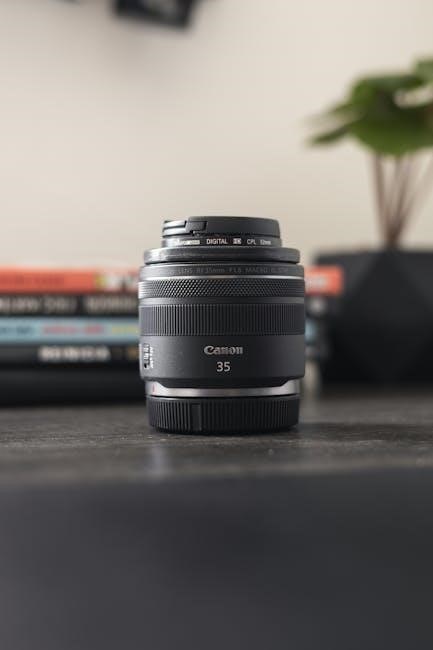
Canon’s newest addition, the EOS R50, offers a user-friendly experience with advanced features, as detailed in recent manual updates and online discussions․
Benvenuto to the Canon R50’s instruction manual, designed to guide you through setup and operation, ensuring a smooth start to your photographic journey․
Recent posts highlight the camera’s capabilities, alongside the importance of consulting the manual for optimal performance and understanding its diverse settings․
What is the Canon EOS R50?
The Canon EOS R50 is a versatile and compact mirrorless camera, designed for both beginners and experienced photographers․ Recent online discussions and the official manual emphasize its accessibility, making it an excellent entry point into the Canon EOS R system․ It boasts a 24․2-megapixel APS-C CMOS sensor, delivering high-quality images and 4K video capabilities․
As highlighted in newly configured manuals, the R50 prioritizes ease of use, featuring a guided interface and intuitive controls․ It’s a powerful tool for content creators, offering seamless connectivity for sharing photos and videos․ The camera’s compact size and lightweight design make it ideal for travel and everyday photography, as noted in user feedback․ The manual details its advanced autofocus system and creative filters, enhancing the shooting experience․
Key Features and Specifications
The Canon EOS R50, as detailed in the official manual, features a 24․2MP APS-C CMOS sensor, enabling high-resolution images․ It records 4K video at up to 30fps, with oversampling for enhanced detail․ The manual highlights its DIGIC X processor, ensuring fast performance and excellent image quality․
Key specifications include a 15-point autofocus system and subject tracking, detailed within the user manual․ It offers a 3․0-inch vari-angle touchscreen LCD and an electronic viewfinder․ Connectivity options include Wi-Fi and Bluetooth․ The camera supports SD cards for storage․ Recent posts confirm the battery life is approximately 320 shots (LCD) or 220 shots (EVF), as outlined in the manual․ Its compact design and user-friendly interface make it a standout choice․
Setting Up Your Canon EOS R50
Refer to the Canon R50 manual for detailed instructions on initial setup, including powering on and navigating the camera’s essential functions effectively․
The manual guides users through a seamless setup process, ensuring optimal performance and a quick start to capturing stunning photos and videos․
Initial Setup and Powering On
Consult your Canon EOS R50 manual for a step-by-step guide to the initial setup process․ Begin by inserting the battery pack correctly, ensuring it clicks securely into place․ Next, insert a compatible SD card into the designated slot – the manual details supported card types and formatting procedures․
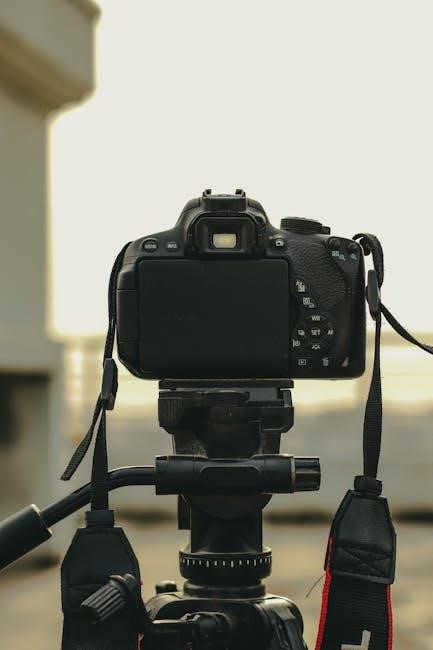
To power on the camera, locate the power switch, typically around the shutter button․ The manual provides a clear diagram illustrating its position․ Once powered on, follow the on-screen prompts to select your preferred language, date, and time settings․ The initial setup also includes configuring Wi-Fi and Bluetooth connectivity, as outlined in the manual, allowing for seamless image transfer and remote control․
Remember to register your camera, as suggested in the manual, to access support and updates․
Installing and Formatting the SD Card
Refer to your Canon EOS R50 manual for detailed instructions on installing and formatting the SD card․ Locate the SD card slot, typically on the side of the camera, and gently insert a compatible SD card until it clicks into place․ Avoid forcing the card․
Formatting the SD card is crucial for optimal performance․ Through the camera’s menu system – detailed in the manual – select the ‘Format’ option․ Be aware that formatting erases all data on the card, so back up any important files beforehand․ The manual emphasizes using the camera to format the card for best compatibility․
The manual also specifies supported SD card types and capacities, ensuring reliable operation․
Connecting to Wi-Fi and Bluetooth
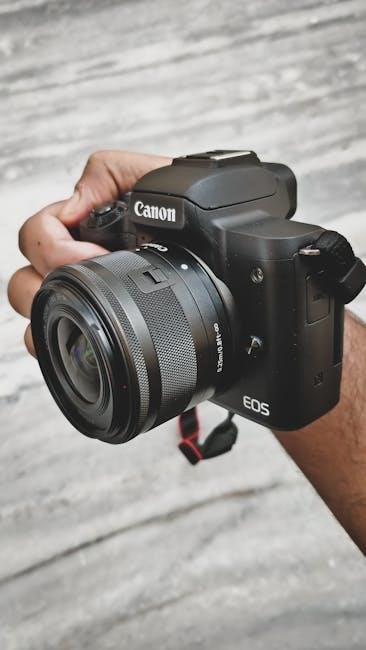
Consult your Canon EOS R50 manual for a step-by-step guide to connecting via Wi-Fi and Bluetooth․ Access the camera’s menu, navigate to the network settings, and select Wi-Fi․ Choose your network and enter the password when prompted – the manual provides clear screenshots․
For Bluetooth pairing, enable Bluetooth on your smartphone or tablet and follow the instructions in the manual to pair with the camera․ This allows for image transfer and remote control via the Canon Camera Connect app․
The manual details troubleshooting steps for connection issues, ensuring a seamless wireless experience․

Understanding the Camera Controls
Refer to the Canon EOS R50 manual for detailed explanations of each control, including the mode dial, buttons, and menu navigation for optimal use․
The Mode Dial and Shooting Modes
The Canon EOS R50’s mode dial, as thoroughly explained in the manual, is your primary gateway to different shooting scenarios․ It features essential modes like Program (P), Aperture Priority (Av), Shutter Priority (Tv), and Manual (M), granting full creative control․
Auto mode simplifies operation for beginners, while Scene modes offer pre-set options for portraits, landscapes, and sports․ The manual details each mode’s function, allowing users to tailor settings to their specific needs․ Furthermore, the R50 includes a dedicated movie mode for seamless video recording․
Understanding these modes, as outlined in the Canon provided manual, is crucial for maximizing the camera’s potential and achieving desired photographic results․ Experimentation with each setting is encouraged for a comprehensive grasp of the R50’s capabilities․
Navigating the Menu System
The Canon EOS R50’s menu system, detailed extensively in the manual, is logically organized into several tabs: Shooting, AF, Setup, Wi-Fi/Bluetooth, and more․ Each tab houses a range of customizable settings, allowing for personalized camera operation․
The manual emphasizes utilizing the directional buttons and the SET button to navigate and select options․ A quick control screen provides fast access to frequently used settings․ Understanding the menu hierarchy is key to unlocking the R50’s full potential․
Canon designed the interface for intuitive use, but the manual serves as an invaluable resource for locating specific functions and comprehending their impact on image quality and overall performance․ Careful exploration is recommended․
Customizing Button Functions
The Canon EOS R50’s manual highlights extensive customization options for physical buttons, enhancing workflow efficiency․ Users can assign frequently used functions – like autofocus modes, drive settings, or picture styles – directly to buttons for quick access․
Through the menu system, detailed in the manual, you can tailor the camera to your shooting style․ This personalization minimizes time spent navigating menus during critical moments․ Canon provides a comprehensive list of assignable functions․
The manual stresses the importance of experimenting with different configurations to find what best suits individual needs․ Customization empowers photographers to operate the R50 intuitively and responsively, maximizing creative control․

Focusing and Image Quality
The Canon EOS R50 manual details autofocus modes and settings, alongside ISO controls for noise reduction, ensuring optimal image clarity and quality․
Picture styles and color profiles, explained in the manual, allow for personalized image aesthetics, enhancing creative expression and photographic results․
Autofocus Modes and Settings
The Canon EOS R50 manual comprehensively explains the camera’s sophisticated autofocus system․ It details various modes, including Single-point AF, Zone AF, and Automatic Selection AF, each suited for different shooting scenarios․
Manual sections cover subject tracking capabilities, crucial for capturing moving subjects with precision․ Users can customize AF operation, adjusting tracking sensitivity and acceleration/deceleration settings to match their shooting style․
Furthermore, the manual clarifies the use of focus peaking and magnification for precise manual focusing․ Eye Detection AF, a key feature, is thoroughly explained, detailing its effectiveness with both humans and animals․ Understanding these settings, as outlined in the manual, is vital for achieving sharp, well-focused images consistently․
Understanding ISO and Noise Reduction
The Canon EOS R50 manual dedicates significant attention to ISO settings and their impact on image quality․ It explains how increasing ISO enhances brightness in low-light conditions but introduces digital noise․
The manual details the camera’s ISO range and provides guidance on selecting appropriate values for various shooting environments․ It also thoroughly covers the R50’s noise reduction features, offering options for both in-camera noise reduction and post-processing adjustments․
Users can customize noise reduction levels to balance detail preservation with noise suppression, as explained in the manual․ Understanding the interplay between ISO, noise, and noise reduction is crucial for achieving optimal image quality, particularly in challenging lighting situations․
Picture Styles and Color Profiles
The Canon EOS R50 manual comprehensively explains Picture Styles, pre-set image processing parameters influencing color, contrast, and sharpness․ These styles – Standard, Portrait, Landscape, Neutral, Faithful, and Monochrome – offer creative control directly within the camera․
The manual details how to customize each Picture Style, adjusting sharpness, contrast, color saturation, and color tone to achieve desired looks․ It also introduces the concept of User Defined Styles, allowing photographers to save personalized settings for consistent results․
Furthermore, the manual touches upon color profiles, explaining their role in color accuracy and compatibility with editing software․ Mastering Picture Styles and color profiles unlocks significant creative potential, tailoring images to individual preferences․
Shooting Video with the Canon R50
The Canon R50 manual details video resolutions, frame rates, and servo AF options for capturing high-quality footage, enhancing your filmmaking experience․
Explore audio settings and microphone choices within the manual, optimizing sound for professional-looking videos and clear audio recordings․
Video Recording Resolutions and Frame Rates
The Canon EOS R50 manual comprehensively outlines the camera’s video capabilities, detailing supported resolutions and frame rates for diverse shooting scenarios․ Users can record in stunning 4K UHD at up to 30 frames per second, providing exceptional detail and clarity for professional-looking videos․
For slower motion effects or extended recording times, the R50 also offers Full HD (1080p) recording at various frame rates, including 60fps and 120fps․ The manual clarifies the limitations of each setting, such as potential crop factors at higher frame rates, ensuring informed decisions․
Furthermore, the guide explains how to adjust video quality settings, including bitrates, to balance file size and image quality․ Understanding these options, as detailed in the manual, is crucial for achieving optimal results and managing storage space effectively․
Audio Settings and Microphone Options
The Canon EOS R50 manual dedicates a section to audio control, vital for high-quality video recording․ It details how to adjust input levels for both the built-in microphone and external options, ensuring clear and balanced sound․ Users can choose from auto-leveling or manual control for precise audio adjustments․
The manual explains compatibility with external microphones via the 3․5mm microphone input, enhancing audio capture beyond the camera’s internal capabilities․ It also covers options for attenuating loud sounds to prevent distortion, a crucial feature for dynamic recording environments․
Furthermore, the guide clarifies settings for wind noise reduction and audio monitoring, allowing users to optimize sound quality directly during recording․ Mastering these settings, as outlined in the manual, significantly improves the overall production value․
Using Digital Movie Servo AF
The Canon EOS R50 manual thoroughly explains Digital Movie Servo AF, a key feature for smooth and accurate autofocus during video recording․ This mode continuously tracks subjects, maintaining focus even as they move within the frame․ The manual details how to customize tracking sensitivity, adapting to different shooting scenarios and subject speeds․
Users can select from various AF area modes, including face detection and eye detection, ensuring sharp focus on the intended subject․ The manual also clarifies how to utilize the camera’s touchscreen for intuitive AF point selection and adjustments during live view․
Understanding the settings within Digital Movie Servo AF, as described in the manual, is crucial for achieving professional-looking video footage with consistently sharp focus․

Advanced Features and Settings
The Canon R50 manual details utilizing the electronic viewfinder, vari-angle LCD, and creative filters for enhanced control and artistic expression in your photography․
Using the Electronic Viewfinder (EVF)
The Canon EOS R50’s electronic viewfinder (EVF) provides a real-time preview of your image, showcasing exposure, white balance, and picture style adjustments before you capture the shot․ Refer to your manual for customizing the EVF display, including options to show or hide shooting information like focus points and a digital level․
Adjusting the EVF’s brightness and color settings, as outlined in the manual, ensures comfortable viewing in various lighting conditions; The EVF also offers focus peaking and magnification features, aiding precise manual focusing․ Explore the manual’s section on EVF settings to optimize the display for your shooting preferences, enhancing your overall photographic experience with this powerful tool․
Utilizing the Vari-Angle LCD Screen
The Canon EOS R50’s vari-angle LCD screen offers exceptional flexibility for composing shots from high or low angles, or for self-recording․ Consult your manual to understand the screen’s articulation range and locking mechanism for secure positioning․ The manual details how to customize the LCD display, showing or hiding shooting information to suit your needs․
Touchscreen functionality, explained in the manual, allows for intuitive menu navigation, focus point selection, and image playback․ Explore the manual’s settings to adjust brightness, color, and display options for optimal viewing in different environments․ Mastering the vari-angle screen enhances creative possibilities and simplifies challenging shooting scenarios․
Creative Filters and Effects
The Canon EOS R50 offers a range of creative filters and effects to instantly transform your images and videos․ Your manual provides a comprehensive overview of each filter, including “Fish-eye,” “Miniature Effect,” and “Soft Focus,” detailing their unique characteristics․ Explore how these filters impact color, contrast, and overall image aesthetics․
The manual explains how to apply these effects in real-time, previewing the results on the LCD screen before capturing the shot․ Experiment with different filter combinations to achieve unique artistic styles․ Remember to consult the manual for guidance on optimal settings and potential limitations of each effect, unlocking your creative potential․

Troubleshooting Common Issues
The Canon EOS R50 manual details solutions for typical problems like power failures, focusing errors, and connectivity glitches, ensuring smooth operation․
Refer to the manual for step-by-step guidance on resolving these issues, maximizing your camera’s functionality and minimizing disruptions․

Camera Not Powering On
If your Canon EOS R50 fails to power on, the manual recommends first checking the battery․ Ensure it’s correctly inserted and fully charged, as a depleted battery is a common cause․ Try a different, known-good battery if available to rule out a battery issue․
Next, inspect the battery contacts within the camera and on the battery itself for any dirt or corrosion; clean them gently with a dry cloth․ The manual also advises verifying the power switch is in the correct ‘ON’ position․ If the issue persists, consult the manual’s troubleshooting section for potential firmware-related problems or contact Canon support for assistance․
Remember to always refer to the official Canon EOS R50 manual for the most accurate and up-to-date troubleshooting steps․
Focusing Problems
Experiencing focusing issues with your Canon EOS R50? The manual details several troubleshooting steps․ First, confirm you’ve selected the appropriate autofocus (AF) mode for your subject – One-Shot AF for static subjects and Servo AF for moving ones․ Ensure the focus point is positioned directly over your intended subject․
Check the lens for any obstructions or dirt that might interfere with focusing․ The manual also suggests verifying the minimum focusing distance for your lens․ If using manual focus, ensure the focus ring is adjusted correctly․ If problems continue, explore the manual’s AF settings customization options․
Consult the Canon EOS R50 manual for detailed explanations of each AF mode and setting․
Connectivity Issues
Troubleshooting connectivity on your Canon EOS R50? The manual provides guidance for Wi-Fi and Bluetooth connections․ First, ensure Bluetooth is enabled on both the camera and your device․ For Wi-Fi, verify you’ve entered the correct password and that your network is functioning correctly․
The Canon EOS R50 manual details how to pair devices and transfer images using the Camera Connect app․ If pairing fails, try resetting both the camera’s and device’s Bluetooth․ Check for firmware updates, as these often address connectivity bugs․ Refer to the manual for specific app instructions․
If issues persist, consult the manual’s troubleshooting section for further assistance․
Maintenance and Care
The Canon R50 manual stresses regular sensor and lens cleaning, proper battery care, and keeping firmware updated for optimal performance and longevity․
Cleaning the Sensor and Lens
The Canon EOS R50 manual provides detailed instructions for maintaining optimal image quality through proper cleaning procedures․ Dust accumulation on the sensor can lead to unwanted spots in your photos, so regular checks are crucial․
Canon recommends using a blower to gently remove loose particles before attempting wet cleaning․ If necessary, utilize a sensor cleaning kit specifically designed for CMOS sensors, following the manual’s guidance carefully to avoid damage․
For the lens, use a soft, lint-free cloth and lens cleaning solution․ Apply the solution to the cloth, not directly onto the lens, and gently wipe in a circular motion․ Avoid harsh chemicals or abrasive materials, as these can damage the lens coating․ Consistent cleaning, as outlined in the manual, ensures clear and sharp images․
Battery Care and Charging
The Canon EOS R50 manual emphasizes proper battery handling for longevity and performance․ Canon batteries, like those found in Black & Decker tools (referenced in online discussions), require specific care․ Always use the supplied Canon charger to avoid damage or malfunction․
The manual advises against exposing the battery to extreme temperatures or leaving it fully discharged for extended periods․ Fully charge the battery before initial use and periodically thereafter, even when not actively shooting․
Avoid short-circuiting the terminals and never disassemble the battery pack․ Online reports suggest some batteries may claim higher capacities than actual (e․g․, 2․5Ah vs․ 1500mAh), so refer to the manual’s specifications for accurate information․
Firmware Updates
The Canon EOS R50 manual stresses the importance of regularly checking for and installing firmware updates․ These updates, available on Canon’s official website, enhance camera performance, add new features, and address potential bugs․ The manual details the update process, typically involving downloading the firmware file to an SD card․
Ensure the camera has sufficient battery charge before initiating the update․ Interrupting the process can cause irreversible damage․ Following the instructions in the manual precisely is crucial for a successful update․
Online forums often discuss firmware improvements, highlighting the benefits of staying current․ Keeping your R50 updated ensures optimal functionality and compatibility, as suggested by various user experiences․