

Nesco Pressure Cooker Instruction Manual: A Comprehensive Guide
Welcome! This detailed guide unlocks the full potential of your Nesco pressure cooker, offering clear instructions and helpful tips for safe, delicious results․
Explore essential manual details, from initial setup to advanced cooking techniques, ensuring optimal performance and longevity of your appliance․
Discover PDF downloads, warranty information, and troubleshooting advice, empowering you to confidently create flavorful meals with ease and precision․
Understanding Your Nesco Pressure Cooker
Nesco pressure cookers represent a modern approach to a time-honored cooking method, offering speed, convenience, and enhanced flavor retention․ These versatile appliances utilize pressurized steam to significantly reduce cooking times compared to traditional methods․
Understanding the core principles of pressure cooking is key to maximizing your Nesco cooker’s capabilities․ The sealed environment traps steam, increasing internal temperature and allowing food to cook faster while preserving vital nutrients․
Familiarize yourself with the cooker’s components – the pot, lid, sealing ring, pressure regulator, and safety features․ The manual provides detailed diagrams and explanations of each part․ Proper understanding ensures safe and efficient operation․
Nesco cookers are designed for various cooking applications, including soups, stews, meats, vegetables, and even desserts․ Explore the possibilities and enjoy the benefits of pressure cooking!
Model Identification & Components
Identifying your Nesco model is crucial for accessing the correct manual and support resources․ Common models include the NPC-9, known for its versatility, and other variations offering different capacities and features․ Locate the model number on the base of the unit or in your original packaging․
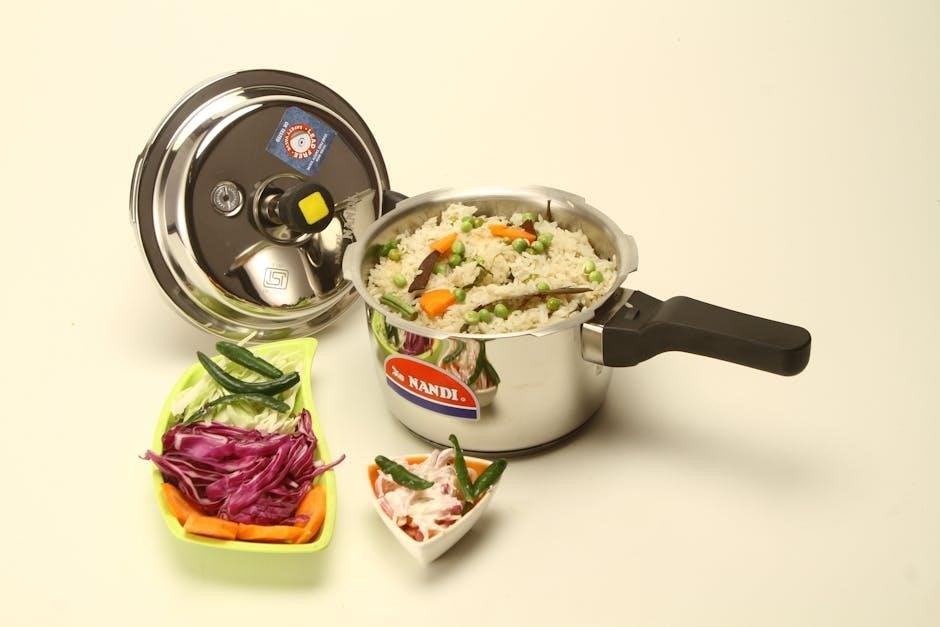
Key components of your Nesco pressure cooker include the outer pot, typically made of durable stainless steel, and the inner cooking pot․ The lid features a sealing ring to create an airtight seal, and a pressure regulator to maintain desired pressure levels․
A stainless steel rack is included for elevating food above the liquid, preventing burning․ Familiarize yourself with the safety valve, designed to release excess pressure․ Understanding each component’s function is vital for safe and effective operation․
Refer to the exploded diagram in your manual for a visual guide to all parts and their proper placement․
Safety Precautions
Prioritizing safety is paramount when using your Nesco pressure cooker․ Always read the entire instruction manual before first use, understanding all warnings and guidelines․ Never attempt to open the lid while pressure is still present inside the cooker – utilize the appropriate pressure release methods․
Ensure the sealing ring is correctly positioned and in good condition for a secure seal․ Avoid overfilling the cooker, leaving sufficient headspace for proper pressure regulation․ Keep the pressure regulator clean and unobstructed to prevent malfunctions․
Never immerse the cooker base in water․ Always unplug the appliance before cleaning․ Be cautious of hot steam released during pressure release, keeping hands and face away from the vent․ Proper grounding is essential – see the following section for details․
Regularly inspect all components for damage and replace as needed․
Important Safety Warnings
Serious injury could result from misuse of this Nesco pressure cooker․ Never force the lid open; internal pressure must be fully released․ Do not use the cooker for frying or deep-frying, as this poses a significant fire hazard․ Always ensure the pressure regulator and safety valve are clean and functioning correctly before each use․
Avoid operating the cooker without sufficient liquid, as this can cause scorching and damage․ Never modify the cooker in any way․ Keep the cooker away from flammable materials and heat sources; Supervise the cooker closely during operation․
Hot surfaces can cause burns – use oven mitts or pot holders when handling․ Do not attempt repairs yourself; contact qualified service personnel․ This appliance is not intended for use by children without adult supervision․
Grounding Instructions
Electrical safety is paramount when using your Nesco pressure cooker․ This appliance is designed with grounding in mind to minimize the risk of electric shock․ Ensure your outlet is properly grounded – if you are unsure, consult a qualified electrician․
Never operate the cooker with a damaged cord or plug․ Do not use an adapter plug unless it is properly grounded․ Avoid running the power cord over sharp edges or hot surfaces․ Regularly inspect the cord for any signs of damage․
Improper grounding can lead to a dangerous electrical hazard․ If the cooker malfunctions or the cord is damaged, immediately disconnect it from the power source and seek professional repair․ Do not attempt to repair it yourself․
Getting Started: Initial Setup
Welcome to pressure cooking! Before your first delicious meal, proper setup is crucial․ Carefully unpack your Nesco pressure cooker and verify all components are present, referencing the included parts list․ Inspect for any shipping damage; contact customer support immediately if issues arise․
Thoroughly wash the inner pot, lid, sealing ring, and steam rack with warm, soapy water․ Rinse and dry completely․ Wipe down the cooker’s exterior with a damp cloth․ Avoid abrasive cleaners that could damage the finish․
For the first-time use, perform a test run with water only․ This ensures proper sealing and functionality․ Follow basic operating instructions, adding a specified amount of water and running a short cooking cycle․
Unpacking and Inspection
Upon receiving your Nesco pressure cooker, begin with careful unpacking․ Remove all packaging materials, including protective foam and tape․ Cross-reference the contents with the included parts list to ensure everything is accounted for – inner pot, lid, sealing ring, steam rack, and the cooker base itself․
Thoroughly inspect each component for any signs of damage incurred during shipping․ Look for dents, cracks, or missing parts․ Pay close attention to the sealing ring, ensuring it’s intact and free from tears; The inner pot should be free of scratches or warping․
If any damage is detected, do not attempt to use the cooker․ Immediately contact Nesco customer support with details of the damage and your order information for assistance and potential replacement parts․ Retain all original packaging for potential return․
First-Time Use: Testing the Cooker
Before your first culinary adventure, it’s crucial to test your Nesco pressure cooker to confirm proper functionality․ Add 2 cups of water to the inner pot and securely lock the lid, ensuring the sealing ring is correctly positioned․ Select the “High Pressure” setting and set the timer for 5 minutes․
Allow the cooker to come to pressure; you’ll hear a hissing sound followed by the pressure regulator beginning to vent steam․ Observe that the cooker maintains pressure throughout the set cooking time․ Once complete, utilize the “Quick Release” method to safely vent the steam․
This initial test verifies the sealing mechanism, pressure regulation, and overall operation․ If the cooker fails to pressurize or exhibits any unusual behavior, consult the troubleshooting section or contact Nesco support before proceeding with food preparation․
Operating Instructions: Basic Cooking
Begin by adding your desired ingredients and liquids to the Nesco pressure cooker’s inner pot․ Remember to adhere to minimum and maximum fill lines for safe operation․ Add your liquids to the cooker and then add your stainless steel rack; this prevents food from sticking and ensures even cooking․
Securely lock the lid, aligning the arrows and twisting until it clicks into place․ Ensure a proper seal is formed before initiating the cooking process․ Select your preferred pressure setting – Low, High, or a custom setting – based on your recipe’s requirements․
Set the cooking time according to your recipe․ The cooker will automatically maintain the selected pressure throughout the duration․ Once the timer expires, allow the pressure to release using your chosen method․
Adding Liquids and the Stainless Steel Rack
Essential for successful pressure cooking, liquids create the steam necessary to build pressure within the cooker․ Always add the recommended amount of liquid, specified in your recipe, ensuring it meets the minimum fill line for safe operation․ Water, broth, or sauce are suitable options, adjusting flavor profiles accordingly․
Crucially, incorporate the stainless steel rack into your setup․ Position it inside the cooker pot before adding food․ This rack elevates ingredients, preventing direct contact with the bottom of the pot and minimizing the risk of burning or sticking․
The rack also facilitates easier food removal post-cooking․ Ensure the rack sits securely and doesn’t obstruct the lid’s sealing surface․ Proper liquid levels and rack placement are fundamental for optimal results․
Locking and Sealing the Lid
Securely locking the lid is paramount for safe and effective pressure cooking․ Align the lid with the cooker body, ensuring the arrow markings match․ Rotate the lid clockwise until it clicks firmly into the locked position – do not force it․
Verify a proper seal before initiating pressure build-up․ The Nesco pressure cooker utilizes a sealing ring within the lid․ Inspect this ring for damage or debris before each use, ensuring it’s correctly seated in the lid groove․
A tight seal is indicated by the cooker reaching and maintaining pressure․ Improper sealing can lead to steam leaks and prevent the cooker from functioning correctly․ Always double-check the lock and seal before beginning the cooking process․
Pressure Settings: Low, High, and Custom
Nesco pressure cookers offer versatile pressure settings to accommodate diverse recipes․ The Low pressure setting is ideal for delicate foods like vegetables and fish, preserving texture and nutrients․ It’s gentler, preventing overcooking․
High pressure is best suited for tougher cuts of meat, beans, and stews, significantly reducing cooking times․ This setting achieves higher temperatures, tenderizing food quickly and efficiently․
Custom settings allow for precise pressure control, catering to specific recipe requirements․ Experiment with adjustments to fine-tune cooking results․ Refer to your recipe for recommended pressure levels and durations․ Understanding these settings unlocks the full potential of your cooker․
Pressure Release Methods
Safely releasing pressure is crucial after pressure cooking․ Quick Release involves carefully unlocking the pressure valve, allowing steam to escape rapidly – ideal when you need to stop cooking quickly, but be cautious of splattering liquids․
Natural Pressure Release lets the cooker cool down on its own, gradually reducing pressure․ This method is best for soups and foods with high liquid content, preventing splattering and ensuring even cooking․
A Delayed Release combines both methods; allow partial natural release, then carefully vent remaining pressure․ Always follow safety guidelines and refer to your recipe for the recommended release method․ Proper technique ensures safety and optimal food texture․
Quick Release Method
The Quick Release method rapidly reduces pressure by carefully opening the pressure release valve․ Always ensure your face and hands are clear of the steam vent to avoid burns․ Gently unlock the lid, allowing steam to escape forcefully – use a utensil for added safety․
This method is best suited for vegetables or recipes where you want to immediately stop the cooking process․ Be aware that foods with high starch content may splatter during quick release․
Caution: Never force the lid open if pressure hasn’t fully released․ Always double-check the pressure indicator pin has dropped before attempting to open the cooker․
Natural Pressure Release
Natural Pressure Release (NPR) allows the pressure to dissipate gradually on its own․ Simply turn off the heat and allow the cooker to cool naturally, without intervention․ This method typically takes 10-30 minutes, depending on the amount of liquid and food inside․
NPR is ideal for soups, stews, and recipes where a more tender result is desired, as it continues to cook the food gently․ It prevents food from being disturbed and potentially splattering․
Important: Do not attempt to open the lid until the pressure indicator pin has fully dropped, signaling complete depressurization․ Patience is key for a safe and successful NPR․
Delayed Release Method
The Delayed Release Method combines aspects of both Quick and Natural Release, offering a controlled depressurization․ After cooking completes, remove the cooker from the heat source and allow it to sit undisturbed for a specified period – typically 10-15 minutes – to allow some initial natural pressure reduction․
Following this period, carefully perform a Quick Release to vent any remaining pressure․ This method is beneficial for foods that benefit from some continued cooking but also require preventing overcooking or mushiness․
Caution: Always ensure the pressure indicator pin has dropped before attempting to open the lid, even after the initial delay․ This ensures complete safety and prevents accidental splattering․
Cooking Times & Recipes
Unlock culinary possibilities! This section provides recommended cooking times for a variety of common foods, streamlining your meal preparation․ From tender meats to perfectly cooked vegetables and flavorful grains, achieve consistent results with ease․
Explore detailed pressure canning guidelines, ensuring food preservation safety and quality․ Remember to always follow established canning procedures and recipes to prevent spoilage․
Experiment with flavors! While this manual offers a starting point, feel free to adapt recipes to your preferences․ Discover a world of delicious possibilities with your Nesco pressure cooker, creating memorable meals for family and friends․
Always consult reliable sources for canning recipes․
Recommended Cooking Times for Common Foods
Simplify meal planning! Below are approximate cooking times for frequently prepared dishes using your Nesco pressure cooker․ Remember these are guidelines; adjust based on your cooker’s model and desired tenderness․

Beef Chuck Roast: 60-75 minutes on high pressure․ Chicken (whole): 30-40 minutes on high pressure․ Dried Beans (kidney, pinto): 25-30 minutes on high pressure (no pre-soaking needed!)․ Potatoes (cubed): 8-12 minutes on high pressure․

Rice (white): 4-6 minutes on high pressure․ Lentils: 6-8 minutes on high pressure․ Corn on the Cob: 3-5 minutes on high pressure․ Always allow for pressure build-up and release time when calculating total cooking duration․

Refer to recipe-specific instructions for optimal results․
Pressure Canning Guidelines
Safety First! Pressure canning requires strict adherence to guidelines to prevent spoilage and ensure food safety․ Always consult a reputable source like the USDA Complete Guide to Home Canning for detailed instructions․
Essential Steps: Properly prepare jars, lids, and food․ Pack food into jars, leaving appropriate headspace․ Vent the Nesco cooker for the recommended time (typically 10 minutes) to remove air․
Processing Times: Vary based on food type, jar size, and altitude․ Maintain consistent pressure throughout the cooking process․ After cooking, allow a natural pressure release, then carefully remove jars․ Inspect seals before storing․
Important Note: Nesco cookers are designed for pressure cooking and canning; always follow approved canning procedures․

Cleaning and Maintenance
Regular cleaning is vital for maintaining your Nesco pressure cooker’s performance and longevity․ Always unplug the cooker and allow it to cool completely before cleaning․
Hand Washing: The inner pot, lid, and stainless steel rack are best washed by hand with warm, soapy water․ Avoid abrasive cleaners that could damage the surfaces․ Rinse thoroughly and dry completely․
Dishwasher Safe Parts: Certain components may be dishwasher safe – consult your specific model’s manual for confirmation․ However, hand washing is generally recommended to preserve the quality of the materials․
Storage: Store the cooker in a cool, dry place․ Ensure all parts are dry before storing to prevent mildew or corrosion․ Proper care ensures years of reliable use!
Hand Washing Instructions
For optimal care, hand washing is recommended for the Nesco pressure cooker’s inner pot, lid, and stainless steel rack․ Begin by removing any food residue with a soft sponge or cloth․
Use warm, soapy water – a mild dish soap is ideal․ Avoid abrasive cleaners, scouring pads, or steel wool, as these can scratch and damage the surfaces․ Pay close attention to the sealing ring and steam release valve, ensuring they are thoroughly cleaned․
Rinse all components completely under warm water, removing all traces of soap․ Dry thoroughly with a clean towel before reassembling or storing․ Proper hand washing preserves the cooker’s quality!
Dishwasher Safe Parts
Convenience is key! Several components of your Nesco pressure cooker are designed to be dishwasher safe, simplifying cleanup․ The inner pot, lid, and stainless steel rack can typically be washed on the top rack of your dishwasher․
However, it’s crucial to avoid high-heat cycles, as excessive temperatures can potentially warp or damage certain parts․ Always check your specific model’s manual for confirmation regarding dishwasher compatibility․
The sealing ring and steam release valve are generally not recommended for dishwasher cleaning, as harsh detergents can degrade the silicone and affect their performance․ Hand washing these parts is best to ensure longevity and proper sealing․
Storage Instructions
Proper storage extends the life of your Nesco pressure cooker and keeps it ready for your next culinary adventure․ Ensure all components are completely dry before storing to prevent mildew or odors․
The cooker itself can be stored in a cool, dry place, away from direct sunlight․ Avoid stacking heavy items on top, which could damage the unit․ The lid can be stored separately, or inverted on top of the pot․
The sealing ring should be stored separately, away from heat and sharp objects, to maintain its elasticity․ Consider storing it in a resealable bag․ Keep the manual readily accessible for future reference, ensuring you always have essential instructions on hand․
Troubleshooting Common Issues
Experiencing problems? This section addresses frequent concerns with your Nesco pressure cooker․ If the cooker isn’t pressurizing, verify the lid is securely locked and the sealing ring is correctly positioned․ Ensure sufficient liquid is present․
Food burning? Reduce cooking time or increase liquid levels; Stir frequently, especially with thicker mixtures․ Lid sealing issues often stem from a dirty or damaged sealing ring; inspect and replace if necessary․
Persistent issues? Double-check the vent is clear and not blocked․ Refer to the full manual for detailed diagrams and further assistance․ If problems persist, contact Nesco customer support for expert guidance and potential repair options․
Cooker Not Pressurizing

Is your Nesco cooker failing to build pressure? First, confirm the lid is correctly aligned and firmly locked into place – a misaligned lid prevents a proper seal․ Inspect the sealing ring for cracks, tears, or debris; a damaged ring compromises the airtight closure․
Insufficient liquid is a common culprit; ensure you’ve added the minimum amount specified in your recipe․ Also, verify the steam vent isn’t obstructed, allowing steam to escape and hinder pressure build-up․
Check the pressure regulator; ensure it’s clean and functioning correctly․ If issues persist, consult the full manual or contact Nesco support for further troubleshooting steps․
Food Burning
Experiencing burnt food in your Nesco pressure cooker? Insufficient liquid is often the primary cause; always adhere to the minimum liquid requirements outlined in your recipe; Food particles stuck to the bottom can also scorch, so ensure a thorough cleaning after each use․
Lowering the heat setting can prevent excessive temperatures․ Utilize the stainless steel rack to elevate food above the bottom of the cooker, promoting even heat distribution and minimizing sticking․
Consider a quick release if you suspect burning, but exercise caution․ Refer to your manual for specific food guidelines and adjust cooking times accordingly to avoid overcooking and scorching․
Lid Sealing Problems
Difficulty achieving a proper seal with your Nesco pressure cooker lid? First, verify the sealing ring is correctly positioned within the lid groove – it should sit flush and without twists․ Inspect the sealing ring for cracks, tears, or deformation; replace if damaged․
Ensure the lid is securely locked into place, aligning the arrows as indicated in the manual․ Food debris obstructing the sealing surface can also prevent a tight seal; clean both the lid and cooker rim thoroughly․
Proper venting is crucial․ Confirm the steam release valve is in the sealing position․ If issues persist, consult the troubleshooting section of your instruction manual for further guidance․
Nesco NPC-9 Manual Details
The Nesco NPC-9 manual provides comprehensive guidance for operating this specific electric pressure cooker model․ It details essential safety precautions, outlining proper usage to prevent accidents and ensure longevity․ You’ll find clear instructions on initial setup, including unpacking and testing procedures․
The manual thoroughly explains operating instructions, covering liquid addition, rack placement, lid locking mechanisms, and pressure setting adjustments (Low, High, and Custom)․ It also details various pressure release methods – Quick, Natural, and Delayed – with step-by-step guidance․
Furthermore, the NPC-9 manual includes recommended cooking times for common foods and essential guidelines for pressure canning, ensuring food safety and optimal results․ Download the PDF for easy access!
Downloading the PDF Manual
Accessing the Nesco pressure cooker PDF manual is simple and convenient! Several online resources offer free downloads for various models, including the popular NPC-9․ Websites like ManualsDock host readily available PDF versions of the Care/Use Manual, allowing instant access to crucial instructions․
To locate your specific model’s manual, visit the Nesco product support page or utilize search engines with keywords like “Nesco NPC-9 manual PDF”․ Ensure the downloaded file is from a reputable source to guarantee accuracy and completeness․
Having a digital copy readily available on your computer or mobile device provides quick access to troubleshooting tips, cooking times, and safety guidelines whenever you need them․
Warranty Information
Nesco stands behind the quality of its electric pressure cookers, offering a limited warranty to protect your investment․ The specific terms and duration of the warranty may vary depending on the model and purchase date, so it’s crucial to review the details included with your product․
Generally, the warranty covers defects in materials and workmanship under normal household use․ It typically does not cover damage resulting from misuse, accidents, or unauthorized repairs․ To make a warranty claim, you’ll likely need to provide proof of purchase and a detailed description of the issue․
Registering your Nesco pressure cooker online can streamline the warranty process․ Refer to the manual or the Nesco website for complete warranty information and claim procedures․