Nissan Sentra Warning Malfunction: A Comprehensive Guide
Navigating the “Warning Malfunction See Owners Manual” message requires a systematic approach, beginning with consulting your vehicle’s handbook for specific guidance and troubleshooting steps․
Understanding the “Warning Malfunction See Owners Manual” Message
The ubiquitous “Warning Malfunction See Owners Manual” illuminates on your Nissan Sentra’s dashboard as a general alert, indicating a system has detected an issue requiring attention; It’s intentionally broad, as it covers a vast spectrum of potential problems, from minor sensor glitches to significant mechanical failures․
This message isn’t a definitive diagnosis; rather, it’s a directive to investigate further․ Your owner’s manual is the crucial first step, providing specific interpretations based on your Sentra’s model year and trim level․ It details what the light means in the context of your vehicle, and outlines initial checks you can perform․
Ignoring this warning isn’t advisable․ While some issues may be benign, others can escalate into costly repairs if left unaddressed․ The manual will also guide you on whether the vehicle is safe to drive and if immediate professional assistance is needed․ Treat it as a prompt for proactive maintenance and responsible vehicle ownership․
Common Causes of the Warning Light
Numerous factors can trigger the “Warning Malfunction See Owners Manual” message in a Nissan Sentra․ While a definitive diagnosis requires professional scanning, several common culprits frequently appear․ These include issues within the engine management system, such as a faulty mass airflow sensor or a malfunctioning oxygen sensor․
The continuously variable transmission (CVT), a hallmark of many Sentra models, is a frequent source of concern․ Low fluid levels, internal wear, or software glitches within the CVT can all activate the warning light․ Electrical system anomalies, like a failing alternator or a loose connection, also contribute․
Furthermore, problems with the anti-lock braking system (ABS), the tire pressure monitoring system (TPMS), or even a simple loose gas cap can initiate the warning․ It’s important to remember this light doesn’t pinpoint the problem; it signals the need for a thorough investigation using diagnostic tools․
Checking the Owner’s Manual: First Steps
Your Nissan Sentra’s owner’s manual is the initial resource when the “Warning Malfunction See Owners Manual” light illuminates․ Locate the section dedicated to warning lights and indicators; it provides a general explanation of the message and potential areas to investigate․
The manual will outline basic checks you can perform yourself, such as verifying the gas cap is securely tightened․ A loose gas cap can surprisingly trigger this warning․ It also details how to reset certain systems, though this isn’t a universal solution․
Pay close attention to any specific instructions related to the CVT transmission, as these systems are prone to issues․ The manual will also guide you on interpreting any accompanying symptoms, like unusual shifting or noises․ If the manual’s suggestions don’t resolve the issue, or if you’re uncomfortable performing the checks, professional diagnosis is crucial․
Engine Related Issues
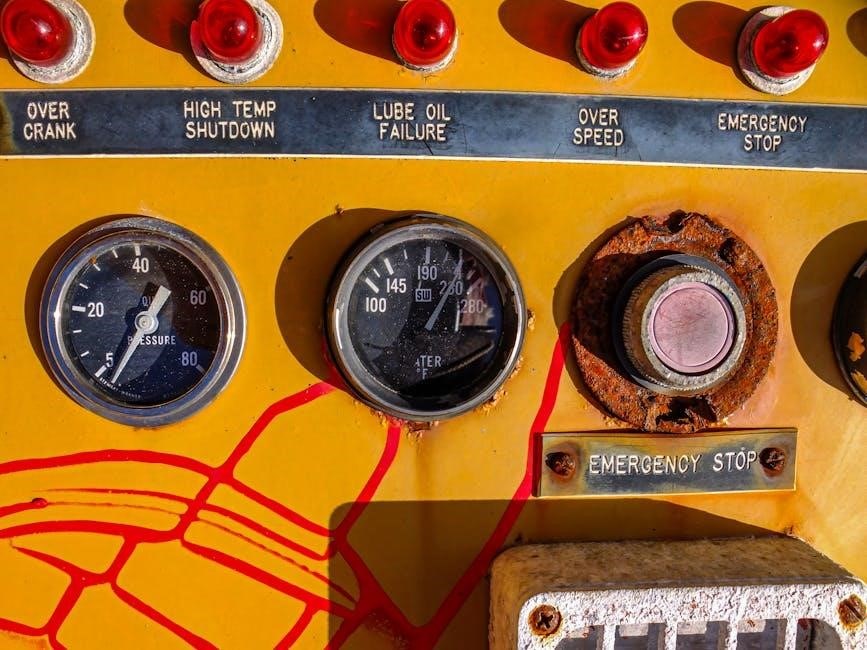
The “Warning Malfunction” light can signal a multitude of engine problems within your Nissan Sentra․ These range from minor issues like a faulty spark plug or ignition coil to more serious concerns like a failing mass airflow sensor or a problem with the fuel injection system․
A malfunctioning oxygen sensor can also trigger the warning, impacting fuel efficiency and emissions․ Check for any noticeable changes in engine performance, such as rough idling, misfires, or a loss of power․ These symptoms often accompany engine-related malfunctions․
It’s important to avoid prolonged driving with the warning light illuminated, as this could exacerbate the problem and lead to more costly repairs․ A diagnostic scan is essential to pinpoint the exact cause, as simply replacing parts without proper diagnosis can be ineffective and expensive․

Transmission Problems (CVT Focus)
Nissan Sentras equipped with Continuously Variable Transmissions (CVTs) are particularly prone to triggering the “Warning Malfunction” light․ CVTs, while offering fuel efficiency, can experience issues requiring specialized attention․ Common problems include overheating, fluid degradation, and internal component wear․
Symptoms accompanying a CVT malfunction often include shuddering, jerking, or a noticeable delay in acceleration․ The transmission may also enter a “limp mode,” restricting speed and power․ It’s crucial to understand that generic scan tools often lack the necessary protocols to accurately diagnose CVT issues․
Nissan’s CONSULT 3 Plus software is frequently required for a comprehensive CVT diagnosis and reset procedure․ Ignoring these warning signs can lead to complete transmission failure, necessitating a costly replacement․ Regular CVT fluid checks and timely maintenance are vital for preventing these problems․
Sensor Malfunctions and Diagnostics
The “Warning Malfunction” message can frequently stem from a faulty sensor within the Nissan Sentra’s complex systems․ These sensors monitor various parameters – engine speed, oxygen levels, throttle position, and more – relaying crucial data to the engine control unit (ECU)․ A malfunctioning sensor sends inaccurate information, triggering the warning light․
Diagnosing sensor issues requires a diagnostic scan tool capable of reading trouble codes (DTCs)․ These codes pinpoint the specific sensor causing the problem․ Common culprits include the oxygen sensor, mass airflow sensor, and crankshaft position sensor․ However, interpreting these codes requires expertise․
Nissan’s CONSULT 3 Plus software offers advanced diagnostic capabilities, providing access to live data streams and detailed sensor readings․ This allows technicians to assess sensor performance accurately․ Simply replacing the sensor isn’t always the solution; wiring harness and connector issues must also be investigated․
Nissan CONSULT 3 Plus Software: A Deeper Dive
Nissan’s CONSULT 3 Plus software represents a significant advancement in diagnostic capabilities for Nissan and Infiniti vehicles, including the Sentra․ It’s far more than a simple code reader; it provides access to comprehensive vehicle data, enabling technicians to pinpoint the root cause of the “Warning Malfunction” message with greater accuracy․
This software facilitates key programming, allowing for replacement key fobs to be paired with the vehicle’s immobilizer system․ Beyond key programming, CONSULT 3 Plus offers bi-directional control, enabling technicians to activate components and test their functionality․ It also provides access to wiring diagrams and technical service bulletins․
Version 241 is a commonly referenced iteration, known for its broad vehicle coverage and enhanced features․ Utilizing this software requires a specific interface and subscription, making it a professional-grade tool․ It’s crucial for complex diagnostics beyond basic OBD-II scanning․

Key Programming with Nissan CONSULT 3 Plus V241
The Nissan CONSULT 3 Plus V241 software excels in key programming for Nissan and Infiniti vehicles, a process sometimes necessary after addressing a “Warning Malfunction” if the issue relates to the immobilizer system․ This functionality allows technicians to register new or replacement key fobs to the vehicle’s security system, ensuring proper operation․
The process typically involves connecting the CONSULT 3 Plus interface to the vehicle’s OBD-II port and following a guided procedure within the software․ This procedure often requires multiple keys to be programmed simultaneously to avoid security issues․ The software verifies the key’s compatibility and completes the programming sequence․
It’s important to note that key programming can be restricted by security features and may require specific authorization or PIN codes․ Incorrect programming attempts can disable the immobilizer, so professional expertise is highly recommended․ Successful key programming restores full functionality and resolves related warning messages․
CVT Reset Procedures (Using Diagnostic Tools)

For Nissan Sentras experiencing a “Warning Malfunction,” particularly those equipped with a Continuously Variable Transmission (CVT), a diagnostic tool-assisted reset can sometimes resolve the issue․ However, it’s crucial to understand that there’s no universal “cheat” for CVT problems, and generic scan tools often lack the necessary functionality․
A capable diagnostic tool, like Nissan’s own CONSULT 3 Plus, allows for a CVT reset procedure․ This process essentially clears learned values within the CVT control module, allowing it to re-adapt to driving conditions․ It’s often performed after CVT fluid changes or repairs․
The reset procedure typically involves accessing the CVT control module through the diagnostic tool and initiating a “CVT learning” or “CVT reset” function․ Following the reset, a test drive is essential to allow the CVT to relearn optimal parameters․ If the warning persists, further diagnostics are needed․

Electrical System Concerns
The “Warning Malfunction” message in a Nissan Sentra can sometimes stem from underlying electrical system issues․ These can range from simple sensor glitches to more complex problems within the vehicle’s wiring harness or control modules․ A thorough inspection of the electrical system is often necessary to pinpoint the root cause․
Common areas to investigate include the battery, alternator, and grounding points․ Low voltage or a failing alternator can trigger various warning lights, including the general “Warning Malfunction․” Corroded or loose grounding connections can also disrupt electrical signals, leading to erroneous messages․
Furthermore, issues with the vehicle’s CAN (Controller Area Network) communication system can manifest as this warning․ Diagnostic tools can help identify communication errors between different control modules․ A professional electrical diagnosis is recommended for complex electrical concerns․
Fan Control Module Failures
A failing Fan Control Module (FCM) can unexpectedly trigger a “Warning Malfunction” message in a Nissan Sentra, particularly if it impacts critical engine cooling functions․ As reported in online forums, issues with the FCM aren’t uncommon, with some owners experiencing complete fan failure even after previous repairs․
Symptoms of an FCM failure include the cooling fan not operating at all speeds, or only working on the highest setting․ This can lead to engine overheating, which will almost certainly illuminate the warning light․ A diagnostic scan can often identify a fault code related to the FCM․

Replacing the FCM is often the solution, but it’s crucial to ensure the replacement part is compatible with your specific Sentra model year․ Some owners have noted that the issue recurs, suggesting potential underlying electrical problems contributing to the FCM’s failure․ Proper diagnosis is key․
Door Lock Actuator Issues (Rogue Models)
While primarily reported in Nissan Rogue models, door lock actuator malfunctions can sometimes contribute to a broader “Warning Malfunction” message, potentially due to the system’s interconnectedness with the vehicle’s central control units․ Owners have reported intermittent issues with rear doors failing to respond to key fob commands or interior door switches․
This can manifest as the doors not locking or unlocking consistently, or a perceived delay in response․ The issue isn’t always constant, adding to the difficulty in diagnosis; A failing actuator can disrupt the vehicle’s security system, potentially triggering a warning light․
Diagnosing actuator problems often requires a scan tool to check for fault codes related to the door lock system․ Replacement of the faulty actuator is typically the solution, but it’s important to verify proper operation after installation․ Electrical connectivity issues should also be investigated․
Suspension and Handling Problems

Although less common, issues with the suspension system can, in certain scenarios, trigger a general “Warning Malfunction” message in a Nissan Sentra․ Problems affecting vehicle stability or ride height could potentially activate warning systems designed to alert the driver to safety concerns․
Reported issues, particularly in Rogue models, involve a sensation of the rear tires momentarily lifting from the pavement on bumps, leading to a “fishtailing” effect at highway speeds․ This suggests a potential problem with shock absorbers, struts, or other suspension components․

Such handling anomalies could trigger sensors related to stability control or ABS, ultimately illuminating the warning light․ A thorough inspection of the suspension system is crucial, including checking for worn or damaged parts, proper alignment, and fluid leaks․ Addressing these issues is vital for restoring safe handling and potentially resolving the warning message․
Rear Tire Instability and “Fishtailing”
While seemingly unrelated, reports of rear tire instability and “fishtailing” – particularly noted in Nissan Rogue models – can sometimes correlate with the appearance of a general “Warning Malfunction” light․ This occurs because the vehicle’s stability control systems detect the loss of control and attempt to intervene․
Drivers have described instances where the rear tires momentarily lose contact with the road surface when encountering bumps at highway speeds, causing the vehicle to swerve or “fishtail․” This unsettling sensation indicates a potential issue within the suspension system, potentially involving worn shocks, struts, or related components․
The stability control system, sensing this instability, may trigger a warning light as a precautionary measure․ Investigating the suspension, ensuring proper alignment, and addressing any worn parts are crucial steps in resolving this issue and preventing the warning light from reappearing․
Braking System Anomalies
Although seemingly disparate, anomalies within the braking system can manifest as a “Warning Malfunction” message in Nissan vehicles․ This is because the braking system is intricately linked to the vehicle’s overall stability and safety features, all monitored by the central control unit․
Potential issues range from low brake fluid levels – triggering a separate warning, but potentially contributing to the general malfunction light – to problems with the Anti-lock Braking System (ABS)․ Malfunctioning wheel speed sensors, a critical component of the ABS, can send erroneous data, leading to the warning light illumination․
A thorough inspection of the entire braking system is essential․ This includes checking brake pad wear, rotor condition, brake lines for leaks, and performing a diagnostic scan to identify any ABS-related fault codes․ Addressing any identified issues promptly is vital for maintaining safe braking performance and resolving the warning light․
Unusual Noises and Their Origins
Often overlooked, unusual noises can be early indicators of underlying issues triggering the “Warning Malfunction” message․ While not directly displaying a specific code, these auditory clues can pinpoint the source of the problem, guiding further diagnostics․
Reports indicate grinding noises during reversing, potentially stemming from the transmission or related components․ However, a broader range of sounds – squealing, clicking, or knocking – could signify problems with the engine, suspension, or even the CVTs․ These sounds often precede a more serious malfunction․
Carefully noting the specific type of noise, when it occurs (e․g․, during acceleration, braking, turning), and its location can be invaluable․ This information, combined with a diagnostic scan, helps technicians accurately identify the root cause and address the issue, ultimately resolving the warning light and restoring vehicle functionality․
Grinding Noises During Reversing
A common complaint associated with the “Warning Malfunction” message, particularly in Nissan vehicles, is a grinding noise when shifting into reverse․ This sound often originates from the front side of the car, as reported by owners experiencing this issue․
Potential causes range from minor to more serious․ Worn or damaged transmission components, including gears or synchronizers, are frequent culprits․ However, it could also indicate issues with the CV joint, differential, or even a problem with the reverse gear itself․
Ignoring this noise can lead to further damage and potentially a complete transmission failure․ Prompt diagnosis is crucial․ A qualified mechanic should inspect the transmission system to pinpoint the exact source of the grinding and recommend appropriate repairs, addressing the underlying cause of the warning malfunction․
Recent 2024/2025 Rogue & Murano Reported Issues
While focused on the Sentra, it’s important to acknowledge emerging patterns in newer Nissan models like the 2024 Rogue and 2025 Murano, as they may share underlying system vulnerabilities․ Owners are reporting a range of “glitchy” issues, particularly with infotainment systems and connectivity when using smartphones․
Specifically, Rogue owners describe intermittent problems with door locks failing to respond to key fobs or interior controls․ This can manifest as an inability to unlock or lock doors, potentially triggering security concerns and the “Warning Malfunction” message․
Murano owners are seeking feedback on potential issues before purchase, indicating pre-existing anxieties about reliability․ Reports of rear tire instability, described as a “fishtailing” sensation at highway speeds, are also surfacing․ These issues, though model-specific, highlight a potential trend of software or system integration challenges within the Nissan lineup․