Today‚ March 4th‚ 2026‚ enthusiasts demand robust transmission solutions; this Stage 4 kit delivers unparalleled durability for demanding TH350/TH350C applications‚ shipping quickly!
What is a TH350 Transmission?
The TH350‚ a three-speed automatic transmission‚ gained immense popularity from 1969 through 1980s‚ becoming a staple in General Motors vehicles. Known for its simplicity and durability‚ it was widely used in cars and light trucks.
Its robust design made it a favorite for performance applications‚ including drag racing and street machines. The TH350’s core strength lies in its ability to handle significant power‚ making it a reliable choice for various builds. Understanding its internal components‚ like the reverse manual valve body‚ is crucial for proper maintenance and performance optimization.
This transmission’s longevity and readily available parts contribute to its continued use today.

The Role of the Valve Body
The valve body is the hydraulic control center of the TH350 transmission‚ directing fluid flow to operate clutches and bands‚ enabling gear changes. It contains a complex network of channels‚ valves‚ and passages that respond to governor pressure and throttle position.
Proper valve body function is essential for smooth and accurate shifting. A malfunctioning valve body can cause harsh shifts‚ delayed engagement‚ or even complete loss of drive. The reverse manual valve body specifically controls reverse gear engagement‚ often upgraded for increased durability.
Maintaining optimal hydraulic pressure within the valve body is paramount for reliable transmission operation.
Understanding Manual Valve Bodies
Manual valve bodies offer enhanced control over gear selection‚ bypassing the transmission’s automatic shift patterns. In a TH350‚ this typically involves a separate lever or cable for manual reverse engagement‚ providing a more positive lock-out.
These bodies are favored in applications demanding precise control‚ like drag racing or modified vehicles. They eliminate reliance on the transmission’s internal sensors and programming‚ offering consistent performance.
Upgrading to a manual valve body‚ particularly a Stage 4 kit‚ ensures robust construction and reliable operation under extreme conditions‚ enhancing overall drivetrain durability.

Common Issues with TH350 Reverse Manual Valve Bodies
Degradation over time can cause valve body failures‚ impacting reverse engagement and overall performance; rebuild kits address these common wear points effectively.
Worn or Damaged Valves
Valve wear is a primary culprit in TH350 reverse manual valve body malfunctions. Constant hydraulic pressure and the abrasive nature of transmission fluid gradually erode valve surfaces. This erosion leads to reduced sealing capability‚ causing pressure leaks and inefficient gear engagement.
Damaged valves‚ often stemming from debris within the transmission‚ can become stuck or prevent proper fluid flow. Inspect valves meticulously for scoring‚ pitting‚ or cracks during disassembly. Replacing worn or damaged valves with high-quality components from a rebuild kit is crucial for restoring optimal performance and preventing future issues. Ignoring valve problems exacerbates other valve body failures.
Sticking Spool Valves
Spool valve functionality is paramount within the TH350 reverse manual valve body. These valves direct hydraulic fluid to engage specific gears‚ including reverse. Deposits from worn clutches and bands‚ combined with aged transmission fluid‚ frequently cause spool valves to stick within their bores.
A stuck spool valve prevents proper fluid routing‚ resulting in delayed or failed gear engagement. Thorough cleaning and lubrication during rebuild are essential. Inspect spool valves for scoring or damage; replacement is necessary if movement isn’t smooth; Addressing sticking valves restores precise shift control and prevents further transmission damage.
Internal Leaks and Pressure Loss
Hydraulic pressure is critical for the TH350 reverse manual valve body’s operation. Internal leaks‚ often stemming from worn seals‚ gaskets‚ or damaged valve body castings‚ cause significant pressure loss. This diminished pressure compromises clutch and band application‚ leading to slipping‚ harsh shifts‚ or complete gear failure.
Identifying leak sources requires meticulous inspection during disassembly. A rebuild kit’s new seals and gaskets are vital for restoring pressure. Carefully examine the valve body for cracks or porosity; replacement may be necessary. Addressing leaks ensures efficient power transfer and prevents catastrophic transmission damage.

Disassembly and Inspection
Careful disassembly is key to a successful TH350 rebuild. Thorough inspection of all components reveals wear‚ damage‚ and potential failure points needing attention.
Tools Required for Disassembly
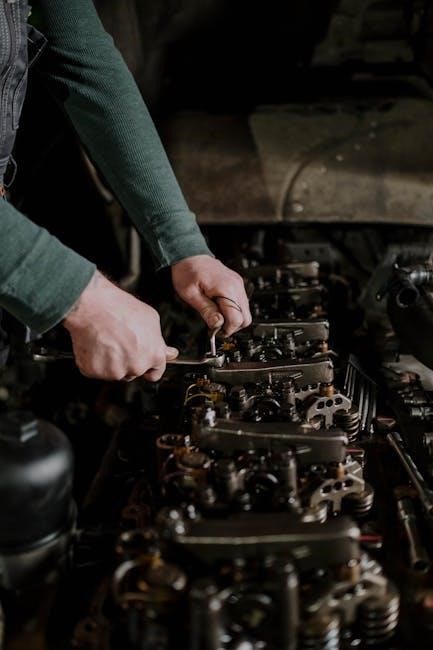
Successfully disassembling a TH350 reverse manual valve body requires a specific set of tools to avoid damage and ensure a smooth process. Essential items include a comprehensive socket set‚ both standard and deep-well‚ covering a range of sizes. You’ll also need a set of wrenches‚ including flare nut wrenches for brake lines and cooler fittings.
Specialty tools are crucial; an internal snap ring pliers set is vital for removing retaining rings within the valve body. A valve body stand is highly recommended to securely hold the assembly during work. Don’t forget a good quality torque wrench for reassembly‚ and various screwdrivers – flathead and Phillips head. Finally‚ having a magnetic pickup tool will save you from chasing dropped parts!
Step-by-Step Disassembly Process
Begin by carefully draining the transmission fluid. Next‚ disconnect all lines and electrical connections to the valve body. Remove the transmission crossmember for better access. Unbolt the valve body‚ noting the bolt locations for reassembly. Gently separate the valve body from the transmission case.
Start removing external components like the manual linkage and electrical solenoids. Systematically disassemble the valve body‚ carefully removing spools‚ valves‚ and springs‚ keeping track of their original positions. Label parts as you go! Photograph each step for reference during reassembly.
Detailed Inspection of Components
Thoroughly inspect each valve and spool for wear‚ scoring‚ or damage. Check for rounded edges on the spools‚ indicating excessive wear. Examine valve bores for cracks or debris. Pay close attention to the sealing surfaces of all components.
Inspect springs for fatigue or breakage; replace any that are weak or damaged. Look for internal leaks or cracks within the valve body itself. Carefully assess the manual valve for smooth operation and proper alignment. Any sign of damage warrants replacement to ensure optimal performance and reliability.
Rebuild Kit Components & Selection
Master rebuild kits offer comprehensive parts‚ ranging from Stage 1 to 4‚ catering to diverse needs and ensuring a complete‚ reliable TH350/TH350C restoration;
Overview of Rebuild Kit Contents
A comprehensive Stage 4 Master Heavy Duty Rebuild Kit for the TH350/TH350C transmission includes a vast array of essential components designed for a complete overhaul. Expect a full set of high-performance gaskets‚ seals‚ and O-rings to prevent leaks and maintain optimal pressure. The kit also features new clutch pack friction and steel plates‚ ensuring smooth and reliable gear engagement.
Furthermore‚ you’ll find a complete set of filters‚ check balls‚ springs‚ and valve body components. Heavy-duty bands and a bolstered pump drive are included for increased durability. This kit provides everything needed to restore your TH350 to peak performance‚ offering confidence in its ability to handle demanding applications.
Choosing the Right Kit for Your Needs (Stage 1-4)
Selecting the appropriate rebuild kit hinges on your transmission’s intended use. Stage 1 kits are ideal for basic street applications and light-duty use‚ offering standard replacement parts. Stage 2 provides enhanced durability for mild performance upgrades. Stage 3 is geared towards more aggressive driving‚ including some towing‚ with upgraded components.
However‚ the Stage 4 Master Heavy Duty kit‚ like the one available today‚ is the ultimate choice for high-performance builds‚ heavy towing‚ or racing. It delivers maximum strength and reliability‚ ensuring your TH350 can withstand extreme conditions. Consider your power level and driving style when making your selection.
Material Quality and Considerations
The longevity of your TH350 rebuild relies heavily on component material quality. High-quality rebuild kits utilize hardened steels and improved alloys for valves‚ springs‚ and seals‚ resisting wear and fatigue. Cheaper kits may employ softer materials prone to premature failure‚ especially under stress.
Stage 4 kits‚ designed for demanding applications‚ often feature premium materials throughout. Consider the heat treatment processes used; proper hardening is crucial. Inspect seal materials – Viton seals offer superior resistance to heat and fluids compared to standard rubber; Prioritize kits from reputable vendors known for consistent quality control.
Reassembly Process
Careful reassembly is vital! Proper lubrication and meticulous seal installation are paramount for smooth operation and longevity of the TH350 valve body.
Lubrication and Seal Installation
Prior to reassembly‚ thoroughly lubricate all moving parts with a high-quality transmission assembly lube. This minimizes initial wear during startup and ensures proper function. Pay close attention to spool valves‚ check balls‚ and valve body passages.
Seal installation requires precision. Use a seal pick to carefully install new seals without damage. Ensure seals are fully seated in their grooves to prevent leaks. Apply a light coating of assembly lube to the seals before installation. Incorrect seal placement will lead to pressure loss and operational issues.
Don’t skimp on lubrication! Adequate lubrication is the key to a long-lasting‚ smoothly operating TH350 transmission.
Spool Valve Reassembly
Carefully reassemble spool valves‚ ensuring proper alignment of all internal components like check balls and springs. A clean workspace is crucial to prevent contamination. Gently insert the spool into the valve body‚ avoiding any forceful movements that could damage the valve bore or spool surface.
Verify smooth operation by manually actuating the spool. It should move freely without binding. Inspect for any signs of wear or damage on the spool lands. Replace any questionable components. Proper spool valve function is vital for correct gear selection.

Precision is paramount during this stage for optimal performance.
Final Assembly and Torque Specifications
With all internal components correctly positioned‚ carefully install the valve body cover‚ ensuring a proper gasket seal to prevent leaks. Tighten cover bolts in a crisscross pattern‚ adhering strictly to the manufacturer’s torque specifications – typically around 10-15 ft-lbs.
Incorrect torque can lead to warped surfaces or stripped threads. Double-check all fasteners. Reinstall the manual linkage‚ verifying smooth and precise movement. A properly assembled valve body is essential for reliable transmission operation.
Accuracy in torque is key for long-lasting performance and preventing future issues.
Testing and Adjustment
Post-rebuild‚ thorough pressure testing and precise shift point adjustments are crucial to confirm optimal TH350 performance and reliable reverse engagement.
Pressure Testing Procedures

Accurate pressure testing is paramount after rebuilding a TH350 reverse manual valve body‚ ensuring proper hydraulic function. Begin by installing a pressure gauge into the case test port. With the engine running and transmission in Park‚ observe forward and reverse pressures‚ comparing them to factory specifications – typically around 120-180 PSI.
Low pressures indicate potential leaks within the valve body or worn internal components. Fluctuating pressures suggest air ingestion or a faulty pump. Carefully monitor pressure across different gear selections‚ noting any discrepancies. Proper testing requires a qualified technician and adherence to the manufacturer’s guidelines for safe and accurate results.
Shift Point Adjustment
Precise shift point adjustment is crucial for optimal TH350 performance after a valve body rebuild. This typically involves modifying the governor linkage or vacuum modulator settings. Begin by verifying the correct throttle cable adjustment and vacuum source to the modulator.
Adjust the linkage to achieve desired upshifts at specific vehicle speeds. For firmer shifts‚ slightly increase modulator vacuum; for softer shifts‚ reduce it. Monitor engine RPM during shifts and fine-tune accordingly. Incorrect adjustments can lead to harsh shifting or engine lugging‚ so proceed cautiously and consult a service manual.
Reverse Engagement Check
A thorough reverse engagement check is vital post-rebuild to confirm proper valve body function. With the engine running and the vehicle securely braked‚ slowly shift into reverse. Listen for a distinct‚ positive engagement without excessive noise or delay.

If engagement is hesitant or accompanied by grinding‚ re-examine the reverse band adjustment and valve body for potential issues. Verify adequate fluid pressure to the reverse clutch pack. A smooth‚ immediate reverse engagement indicates successful rebuild and adjustment. Failure to engage properly suggests further diagnosis is needed.
Troubleshooting Common Problems After Rebuild
Post-rebuild issues like harsh shifting‚ delayed engagement‚ or reverse loss require careful diagnosis; revisit adjustments and inspect components for proper function and fit.
Harsh Shifting
Harsh shifting following a TH350 reverse manual valve body rebuild often indicates issues with the accumulator or improper line pressures. Begin by verifying the correct modulator plug is installed‚ as this directly influences vacuum signals and shift firmness.
Inspect the accumulator springs and check valves for wear or damage; these components dampen hydraulic pressure during shifts. Incorrectly sized or worn springs can lead to abrupt gear changes. Furthermore‚ confirm that all transmission fluid passages are clear of debris‚ ensuring smooth hydraulic flow.
Adjusting the vacuum modulator can fine-tune shift characteristics‚ but always consult a technical manual for proper settings. A pressure test will reveal if the pump is delivering the correct pressure‚ eliminating potential hydraulic issues contributing to harshness.
Delayed Engagement
Delayed engagement after rebuilding a TH350 reverse manual valve body frequently points to internal leaks or insufficient hydraulic pressure. Start by checking the forward and reverse clutches for proper clearance and sealing; excessive wear can cause slippage.
Inspect the valve body for worn or damaged seals‚ particularly around the spool valves and passages leading to the clutches. A leak in these areas reduces pressure buildup‚ delaying engagement. Ensure the pump is functioning correctly and delivering adequate pressure throughout the system.

Verify the correct fluid level and type are being used‚ as low fluid or incorrect viscosity can hinder proper operation. A thorough pressure test will pinpoint any pressure losses within the valve body or hydraulic circuits.
Loss of Reverse
Complete loss of reverse following a TH350 reverse manual valve body rebuild often indicates a problem within the reverse clutch pack or the valve body’s reverse circuit. Begin by verifying the reverse band adjustment; improper adjustment prevents full engagement.
Inspect the reverse clutch pack for worn or damaged clutches and seals. A faulty reverse valve within the valve body can also prevent fluid from reaching the reverse clutch‚ resulting in no engagement. Check for debris or obstructions blocking fluid flow.
Perform a pressure test specifically targeting the reverse circuit to identify any pressure drops. Ensure the manual linkage is correctly adjusted and fully engaging the reverse selection.
Resources and Further Information
Explore online forums and technical manuals for detailed diagrams and expert advice on TH350 transmissions; recommended vendors offer quality parts!
Online Forums and Communities
Engaging with online communities dedicated to the TH350 transmission is invaluable. These forums are brimming with experienced builders and enthusiasts willing to share their knowledge and troubleshooting tips. Platforms like TransmissionCenter.net and dedicated Chevrolet forums often have active TH350 sections.
You’ll find detailed discussions on valve body modifications‚ rebuild procedures‚ and solutions to common problems. Don’t hesitate to post questions‚ share your progress‚ or search existing threads for answers; Many members have documented their rebuilds with photos and videos‚ providing a visual guide. Remember to be respectful and contribute positively to the community!
Technical Manuals and Diagrams
Accessing official technical manuals is crucial for a successful TH350 rebuild. These manuals provide detailed exploded views‚ parts lists‚ and torque specifications essential for proper assembly. GM’s original service manuals are highly sought after‚ offering comprehensive information.
Supplement these with readily available diagrams illustrating the valve body’s internal workings. Websites specializing in automotive repair often host downloadable schematics. Understanding the fluid flow paths and component interactions is vital. Careful study of these resources will significantly enhance your understanding and minimize errors during the rebuild process.
Vendor Recommendations for Parts
Sourcing quality parts is paramount for a reliable TH350 rebuild. Several vendors specialize in transmission components‚ offering rebuild kits and individual parts. Transmission Supply House and Monster Transmission are well-regarded for their comprehensive selections and technical support.
For specialized valve body components‚ consider ATS Diesel Performance or Pro-Build Transmission Parts. Always compare pricing and read customer reviews before purchasing; Prioritize vendors offering detailed product descriptions and responsive customer service to ensure compatibility and satisfaction with your rebuild.