
Guide Overview
Medline’s pocket guide condenses essential wound‑care principles into a compact, portable reference Designed for clinicians nurses and wound‑care teams it highlights bioburden control debridement moist‑healing strategies The guide’s layout pairs concise text with quick‑look images for rapid decision‑making.
Purpose and Target Audience
Medline’s pocket guide serves as a concise, on‑the‑go reference for clinicians, nurses, wound‑care specialists, and allied health professionals who manage acute and chronic wounds. Its purpose is to provide quick access to evidence‑based protocols for bioburden management, debridement, moisture balance, and advanced dressing selection. By distilling complex wound‑care concepts into clear, actionable steps, the guide empowers frontline staff to make informed decisions, reduce treatment times, and improve patient outcomes. Target users include bedside nurses, wound‑care coordinators, surgical teams, and outpatient providers who require a reliable, portable tool to support consistent, high‑quality wound management across diverse care settings. Designed for rapid reference, the pocket guide is printed on durable, waterproof paper and features a fold‑out layout that allows clinicians to flip between sections without losing context. It includes quick‑look tables that compare dressing types, recommended debridement techniques, and infection control checkpoints, enabling staff to select the most appropriate intervention in minutes. The guide also highlights key clinical indicators for wound progression, such as exudate volume, tissue color, and pain level, helping practitioners assess healing status and adjust care plans accordingly. By integrating evidence‑based guidelines with practical decision trees, the pocket guide serves as a trusted companion in both inpatient outpatient settings, ensuring consistent, high‑quality wound care across diverse patient populations.
Key Features and Layout

Medline’s pocket guide is engineered for rapid, on‑the‑go reference, offering a compact, durable format that fits easily into a clinician’s pocket or bag. The layout is a two‑page, fold‑out design that presents core wound‑care concepts in a clear, step‑by‑step sequence. Each page includes high‑resolution images of dressing applications, quick‑look tables that compare bioburden‑control strategies, debridement techniques, and moisture‑balance options, and concise bullet points that summarize best‑practice recommendations. The guide’s color‑coded sections—red for infection control, blue for moisture management, green for dressing selection—allow users to locate critical information at a glance. A built‑in index on the back of the guide lists key terms and page references, while a QR code links to Medline’s online educational portal for deeper dives into product data sheets and clinical guidelines. The material is printed on waterproof, tear‑resistant paper to withstand frequent handling and exposure to bodily fluids. The pocket guide also features a reinforced spine and a small, detachable bookmark that marks the current page, enabling quick navigation during busy shifts. By combining evidence‑based content with a user‑friendly, portable design, Medline’s pocket guide empowers clinicians to deliver consistent, high‑quality wound care in any setting. Its size, approx. 3.5 by 2 inches, and construction make it ideal for use in rooms departments, and environments, ens. that critical wound‑care information is always within reach!.
Core Wound Care Concepts
Bioburden control, debridement, moisture balance, and stalled wound treatment form the foundation of Medline’s pocket guide. The guide emphasizes rapid infection assessment, tissue removal, and optimal dressing selection to accelerate healing.
Charts inside now fast.
Bioburden Management
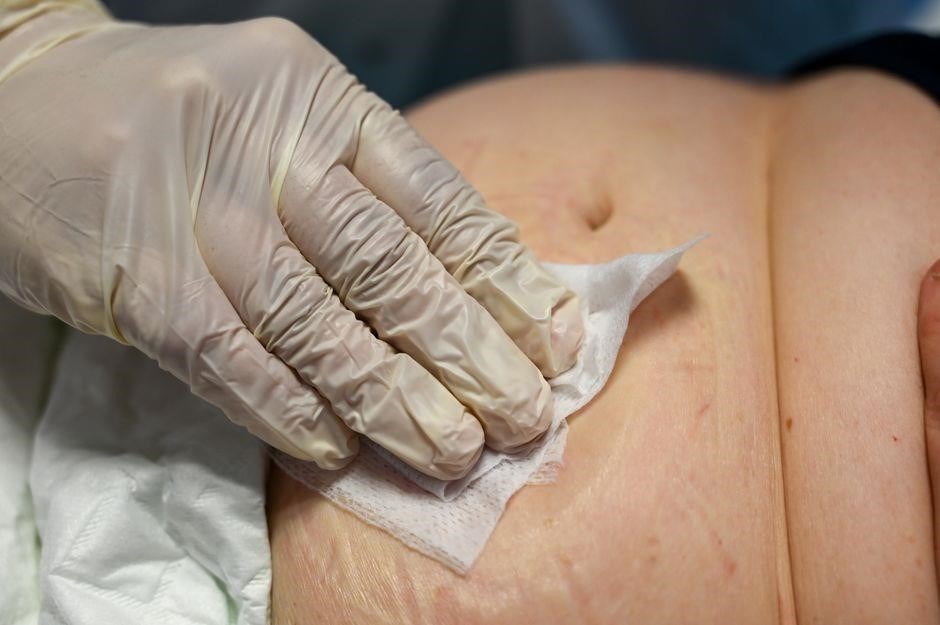
Bioburden management is the first line of defense in wound care, preventing infection and promoting healing. Medline’s pocket guide emphasizes a structured protocol that starts with meticulous wound cleansing. Using isotonic saline or buffered cleansers, clinicians should gently irrigate the wound with a circular motion, removing debris and reducing microbial load without damaging healthy tissue. After cleansing, the guide recommends applying a topical antimicrobial agent—such as silver‑containing dressings, chlorhexidine solutions, or honey‑based dressings to create a hostile environment for bacteria. care!!
Dead Tissue Removal & Stalled Wound Treatment
Maintaining optimal moisture balance is critical. The guide advises selecting dressings that absorb excess exudate yet retain enough moisture to support cell migration and granulation. Clinicians should assess exudate color and odor to guide dressing selection and care quickly now.
Monitoring
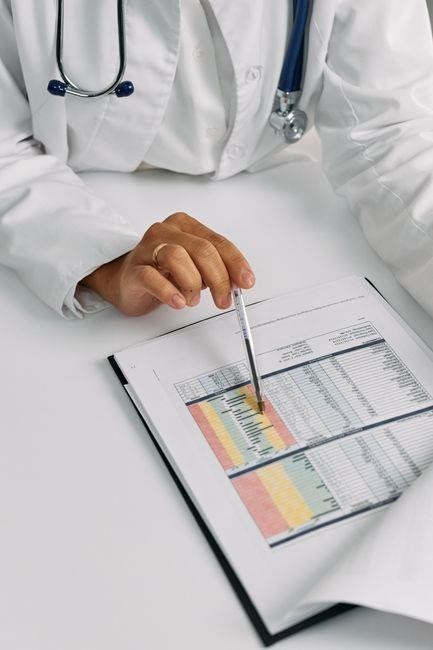
Monitoring is essential. The pocket guide encourages routine assessment of wound cultures when clinical signs of infection appear or when the wound fails to progress. Culture results guide targeted antimicrobial therapy and help detect resistant organisms early. Timely intervention reduces healing delays quickly!
Integration & Education
By integrating systematic cleansing, targeted antimicrobial application, moisture control, and vigilant monitoring, clinicians reduce bioburden, limit infection risk, and lay a foundation for regeneration. This evidence‑based approach aligns with Medline’s focus! Clinicians should document dressing changes and monitor exudate color early
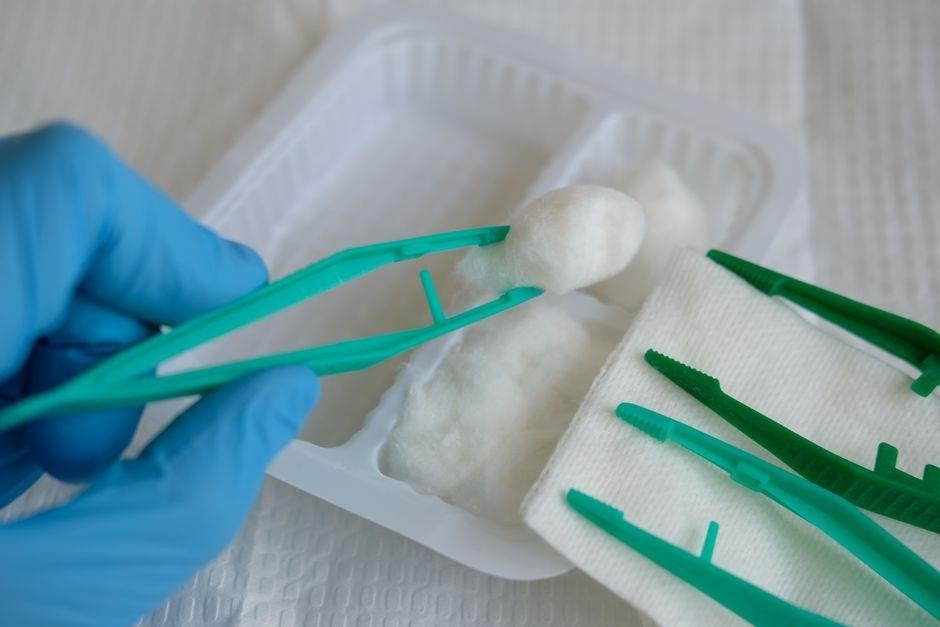
Effective removal of necrotic tissue is a cornerstone of advanced wound management. The Medline pocket guide recommends an approach that begins with a thorough visual and tactile assessment to differentiate between viable and non‑viable tissue. Once identified, clinicians should employ sharp debridement techniques—using sterile scissors or scalpel—when the wound bed is accessible and the patient can tolerate the procedure. For larger or complex wounds, enzymatic debridement agents such as collagenase or papain‑based products can be applied to digest necrotic material while preserving healthy tissue. The guide stresses maintaining a moist environment; after debridement, a semi‑occlusive dressing that balances exudate absorption with moisture retention should be applied. This promotes cellular migration and angiogenesis, accelerating the transition from a stalled to a healing wound.wound.quickly In cases where the wound remains stagnant despite adequate debridement, the pocket guide advises evaluating for underlying factors such as infection, ischemia, or systemic conditions. Addressing these issues—through antibiotics, vascular intervention, or glycemic control—can restore the wound’s healing trajectory. Regular reassessment every 48–72 hours allows clinicians to adjust the debridement strategy and dressing selection, ensuring the wound progresses from stalled to healing. By integrating meticulous tissue removal, the Medline pocket guide equips practitioners with a clear, evidence‑based protocol that enhances patient outcomes and reduces healing time.
Medline Product Highlights
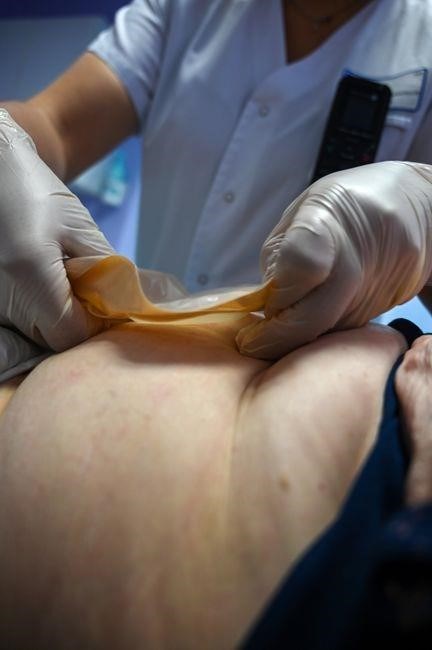
Medline’s pocket guide spotlights three flagship products: Hyalomatrix®, a hyaluronic‑acid matrix that promotes granulation; TheraHoney®, a honey‑based dressing offering antimicrobial action; and Opticell®, a chytoform technology that delivers moist, sterile care. Ideal for rapid assessment. quickly!
Hyalomatrix® – Hyaluronic Acid Device
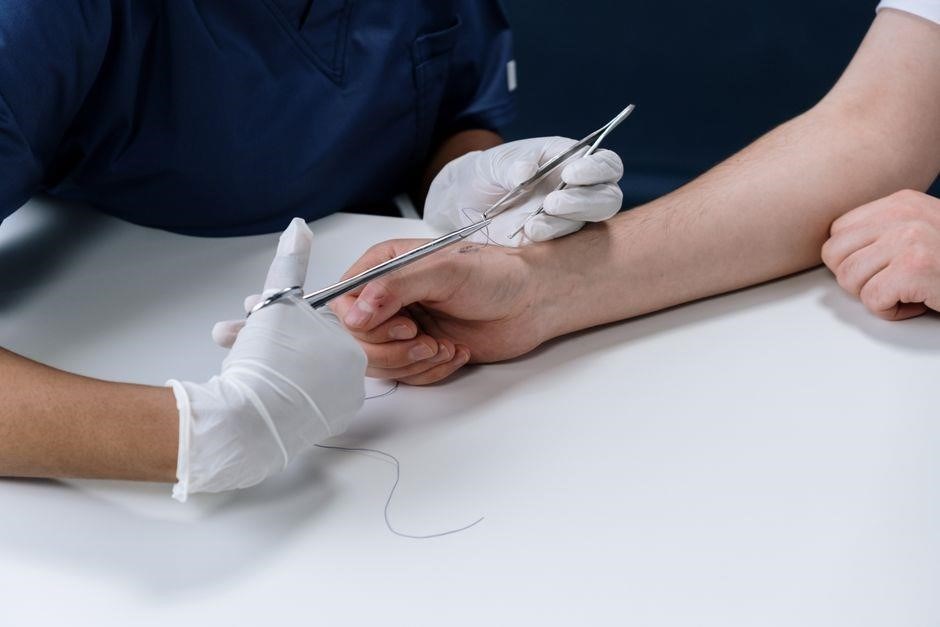
Hyalomatrix® is a bioactive, hyaluronic‑acid‑based wound device that delivers a moist, bio‑friendly matrix to the wound bed. The device is engineered to support cellular migration, angiogenesis, and extracellular matrix remodeling, thereby accelerating granulation tissue formation. Its unique structure provides a scaffold that retains moisture while allowing gas exchange, creating an optimal environment for wound healing. The product is available in a range of sizes and thicknesses to accommodate various wound depths and surface areas, from superficial ulcers to complex, irregularly shaped chronic wounds. Clinicians report that Hyalomatrix® reduces the need for frequent dressing changes, decreases pain, and shortens healing time. The device is easy to apply, conforms to wound contours, and can be used in conjunction with other advanced dressings or negative‑pressure therapy. In addition, Hyalomatrix® is compatible with routine wound‑care protocols and can be integrated into existing treatment algorithms without disrupting workflow. The material is sterile, non‑allergenic, and has been shown to be well‑tolerated in a broad patient population. When selecting Hyalomatrix®, consider wound size, exudate level, and the presence of infection or necrotic tissue. The device is most effective when used after thorough debridement and in a setting where the wound environment is controlled for infection and moisture balance. By incorporating Hyalomatrix® into the wound‑care plan, clinicians can provide a scientifically validated, patient‑friendly approach that promotes rapid, high‑quality healing outcomes. Its clinical use demonstrates significant reductions in healing time and cost.!!!
- Promotes rapid granulation by providing a hydrated scaffold.
- Reduces dressing changes, lowering cost and patient discomfort.
- Compatible with negative‑pressure therapy and other dressings.
- Sterile, non‑allergenic, suitable for diverse patient populations.
- Easy application across various wound shapes and depths.
TheraHoney® – Honey-Based Dressings
TheraHoney® dressings harness the natural antimicrobial, anti‑inflammatory, and debridement properties of medical‑grade honey to accelerate wound healing; The product is available in multiple formulations—foam, gauze, and hydrocolloid—each designed to maintain a moist environment while providing a barrier against bacterial invasion. Honey’s high osmolarity draws fluid out of the wound, concentrating cellular mediators that promote granulation and epithelialization. Additionally, the acidic pH of honey (4.5–5.5) creates an inhospitable environment for pathogenic bacteria while supporting beneficial flora. Clinical studies demonstrate that TheraHoney® reduces infection rates, shortens healing time, and decreases pain compared to conventional dressings. The dressings are sterile, non‑allergenic, and can be applied to a wide range of wounds, including pressure ulcers, diabetic foot ulcers, surgical incisions, and traumatic injuries. They are compatible with negative‑pressure therapy and can be used in combination with other advanced wound‑care products. When selecting a TheraHoney® dressing, consider wound exudate level, size, and presence of necrotic tissue; the foam variant is ideal for moderate‑to‑heavy exudate, while the hydrocolloid is suited for low‑exudate wounds. The dressing’s easy removal and minimal adherence reduce trauma during dressing changes, improving patient comfort. By integrating TheraHoney® into a comprehensive wound‑care plan, clinicians can leverage honey’s unique bioactive properties to achieve faster, more reliable healing outcomes while minimizing the risk of infection and reducing overall treatment costs.
Opticell® – Chytoform Technology
Opticell® utilizes Chytoform™ technology to create a semi‑permeable, bio‑friendly barrier that preserves a moist wound environment while allowing gas exchange. The dressing’s unique structure incorporates a hydrogel core that absorbs exudate and a silicone interface that adheres gently to the wound bed, preventing maceration of surrounding skin. Chytoform™ is a proprietary polymer matrix that maintains a stable, neutral pH and provides a scaffold for cellular migration, thereby accelerating granulation tissue formation. Clinical evidence demonstrates that Opticell® reduces healing time for chronic ulcers, pressure sores, and surgical wounds, and it is particularly effective in managing wounds with moderate to heavy exudate. The dressing can be used in conjunction with negative‑pressure wound therapy (NPWT) and is compatible with other advanced products such as TheraHoney® and Hyalomatrix®. Opticell® is available in multiple sizes and thicknesses, allowing customization to wound depth and surface area. Its low‑adhesion profile minimizes trauma during dressing changes, improving patient comfort and compliance. By integrating Opticell® into a wound‑care protocol, clinicians can achieve a balanced moist environment, promote rapid tissue regeneration, and reduce the risk of infection while maintaining cost‑effective care. Opticell®’s design also supports seamless integration into inpatient outpatient protocols, reducing dressing changes and waste while maintaining a low cost per use, making it an evidence‑based choice for high‑volume wound‑care settings.
Educational Support & Contact
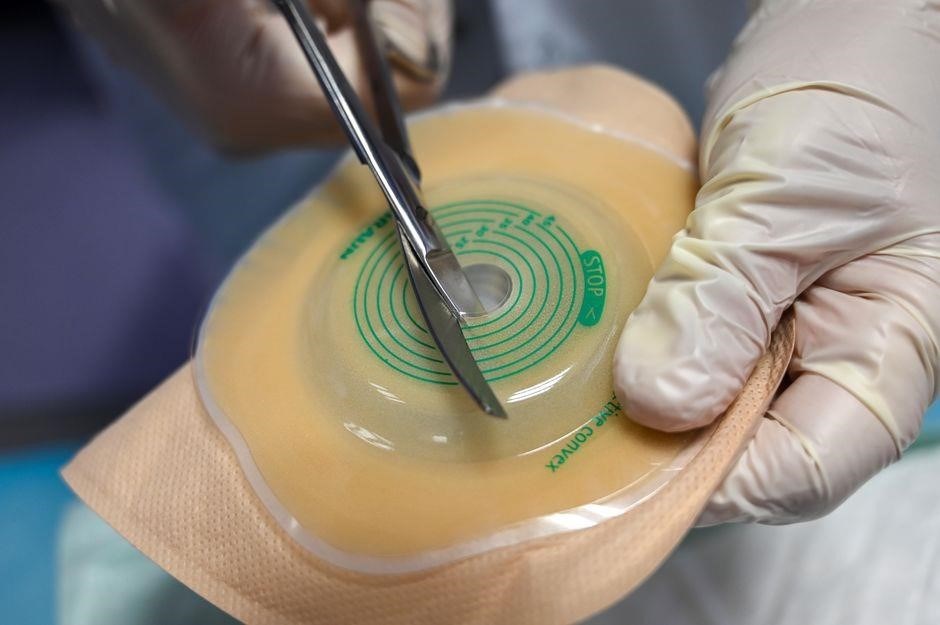
Medline provides expert training, webinars, and on‑site workshops to enhance wound‑care skills. Reach our specialists at 1‑800‑633‑5463 or visit medline.com/advancedwoundcare for resources, ordering, and personalized support. Our hotline and portal provide help, while case studies and guidelines aid learning.!!
Training Programs and Resources
Medline’s comprehensive training suite equips clinicians with the latest evidence‑based wound‑care strategies. Our curriculum spans foundational principles—bioburden control, debridement techniques, and moist‑wound healing—to advanced device‑specific modules for Hyalomatrix®, TheraHoney®, and Opticell®. Each course combines interactive e‑learning modules, live webinars, and hands‑on workshops, allowing participants to practice dressing changes, assess wound progress, and troubleshoot complications in real‑time. Certified instructors, many of whom are board‑certified wound‑care specialists, guide learners through case studies that mirror everyday clinical scenarios. Participants receive digital certificates upon completion, which can be added to professional portfolios or used for continuing‑education credits. In addition to structured courses, Medline offers on‑site training tailored to facility workflows, ensuring seamless integration of new products into existing protocols. Our online resource hub hosts downloadable reference guides, product videos, and a searchable knowledge base. For personalized support, contact your regional Medline representative to schedule a customized training session or to request additional educational materials. By leveraging these resources, clinicians can elevate wound‑care quality, reduce healing times, and improve patient outcomes Thanks
All materials are compliant with current clinical guidelines are updated annually to reflect emerging evidence
Contact us for training support.
Customer Service Hotline and Ordering Info
Medline’s customer service hotline is 1-800-MEDLINE (633‑5463) and is available Monday through Friday, 8 a.m. to 5 p.m. local time. For ordering, visit medline.com/advancedwoundcare or contact your regional representative. Orders can be placed online, by phone, or through the Medline mobile app. The ordering system provides real‑time inventory status, shipping options, and order tracking. For urgent needs, the hotline offers expedited shipping coordination. All orders are processed within 24 hours, and a confirmation email is sent with the expected delivery date. If you encounter a product issue, the hotline connects you to the technical support team, which can arrange returns, replacements, or troubleshooting. For bulk or institutional orders, a dedicated account manager assists with volume discounts, custom packaging, and compliance documentation. The Medline website also hosts a FAQ section, product catalogs, and a downloadable order form. Customers can request a free sample kit by calling the hotline or submitting an online request; For training requests, the same hotline connects you to the education department. The Medline customer service team is committed to ensuring timely delivery and providing ongoing support throughout the product lifecycle. Contact us today to streamline your wound‑care supply chain. We also offer 24/7 technical assistance, a dedicated account manager, and a mobile app for on‑the‑go ordering, ensuring seamless supply chain management. Allt!!!